Can Dental Crowns in Los Angeles CA Transform Your Smile?
A well-made dental crown can change far more than a single tooth. In the right case, it can restore a broken bite, protect a weakened tooth from cracking further, improve the shape and color of a visible tooth, and bring balance back to a smile that has slowly lost its symmetry. For many people, that change feels surprisingly emotional. They come in asking about a chipped molar or a dark front tooth and leave talking about confidence, photos, work meetings, and eating without hesitation.
That said, crowns are not magic. They are one of the most useful tools in restorative and cosmetic dentistry, but their success depends on diagnosis, planning, materials, and the skill of the dentist and lab. If you are considering Dental Crowns Los Angeles CA, it helps to know what crowns can realistically do, where they shine, and where another treatment may make more sense.
What a dental crown actually does
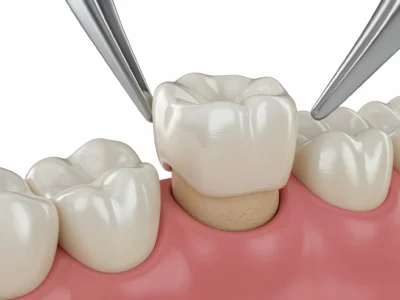
A crown is a custom-made covering that fits over a prepared tooth. Dentists use crowns when a filling would not be strong enough, when a tooth has fractured, after root canal treatment in many cases, or when the goal is to reshape and improve a tooth’s appearance. Think of it as a protective outer shell that is bonded into place and designed to work with your bite.
Patients often assume crowns are only for damaged teeth in the back of the mouth. That is only part of the story. In practice, crowns are also used on front teeth when there is significant discoloration, structural damage, severe wear, or an old restoration that no longer blends with the smile. The result can be subtle or dramatic depending on the starting point. A single crown on a front tooth may be crafted so precisely that even a trained eye has to look twice. A series of crowns can also be used to rebuild a worn smile, especially in patients who grind their teeth or have had years of acid erosion.
The transformative part comes from the fact that crowns can address several problems at once. A crown can change contour, close small spaces, improve alignment visually, reinforce structure, and harmonize color. Few treatments do all of that in one restoration.
When crowns truly transform a smile
The biggest smile transformations with crowns usually happen in cases where appearance and function are both involved. A tooth that is worn flat, darkened after trauma, cracked, or heavily filled tends to affect more than aesthetics. It can change how the lips rest, how the bite meets, and how comfortable chewing feels.
In Los Angeles, where many patients are highly appearance-conscious and often on camera for work, subtle details matter. The length of the front teeth, the way light reflects off the surface, and whether the shade looks natural in daylight can make a crown either disappear beautifully or stand out for the wrong reasons. A good crown should not look like a chiclet-white cap. It should have depth, texture, translucency, and shape that match the face and neighboring teeth.
Consider a common scenario: a patient has an old metal-free crown placed ten years ago on a front tooth after a sports injury. Over time, the adjacent natural teeth have picked up a bit of stain, the gum line has changed slightly, and the crown now looks flatter and more opaque than the rest of the smile. Replacing that crown alone can make the entire smile look fresher, even if no one can immediately identify why. The transformation is not just whiter teeth. It is a return to visual harmony.
Crowns can also be life-changing for people with heavy wear. I have seen patients in their thirties and forties with front teeth shortened by grinding to the point that they stop smiling fully. They often say they look older or tired. Rebuilding those teeth with carefully planned crowns can restore length, support the lips better, and create a healthier bite. The result is not only cosmetic. Speech can improve, chewing can feel more efficient, and jaw strain may decrease when the bite is stabilized.
Cosmetic versus restorative goals
One of the biggest mistakes people make is treating all crowns as purely cosmetic. A crown can look beautiful, but if it is poorly designed for the bite, it may chip, feel high, or contribute to gum irritation. On the other hand, a crown that is technically durable but poorly matched in shade or shape can make a smile feel artificial.
The best outcomes come from respecting both sides of the equation. A dentist should evaluate how much healthy tooth structure remains, whether decay or cracks extend below the gum line, how the teeth come together, whether gum tissue is healthy, and what the patient hopes to change visually. Sometimes the right answer is a crown. Sometimes it is bonding, veneers, orthodontics, implant treatment, or a mix of therapies.
A front tooth with a small chip and good enamel, for example, may be better served with bonding or a veneer rather than a full crown. Removing more tooth than necessary is not ideal. But a tooth with a large failing filling, previous root canal treatment, and visible fracture lines often needs the added coverage and strength of a crown. Good dentistry is rarely about choosing the flashiest option. It is about choosing the most conservative treatment that can still predictably work.
Materials matter more than many patients realize
Not all crowns are made the same, and material choice can affect appearance, longevity, and cost. This is especially important in visible areas of the mouth.
Porcelain and ceramic crowns are popular for front teeth because they can mimic natural enamel very convincingly. Zirconia has become common for its strength and versatility, though the best choice depends on the case. Some all-ceramic materials are prized for lifelike translucency. Others are better suited for areas that take heavy biting force.
The right material depends on several variables:
- Whether the crown is on a front tooth or a molar.
- How much bite pressure the patient generates.
- Whether the patient grinds or clenches at night.
- How much natural tooth structure remains.
- How critical shade matching is in the smile zone.
A patient asking for the “strongest” crown is not always asking the right question. Strength matters, but so do aesthetics, bondability, thickness requirements, and the amount of reduction needed. A dentist balancing those factors well is doing more than selling a material. They are designing a restoration around a real mouth with real habits.
How the process works in a modern Los Angeles practice
Most crown treatment starts with an exam, x-rays, and a discussion of goals. If the tooth is cracked, decayed, heavily restored, or root canal treated, the dentist will assess whether it can be predictably saved. If the answer is yes, the tooth is shaped to make room for the crown. An impression or digital scan is then taken so the final restoration can be fabricated. A temporary crown is usually worn in the meantime.
Temporary crowns matter more than many people expect. They protect the tooth, maintain spacing, and let the patient test shape and length, especially in the front. If a temporary feels bulky, too short, or slightly off in speech, that information can help fine-tune the final result. Patients who speak publicly, perform, or spend hours on video calls often notice tiny differences in edge position and tongue contact. Those details are not vanity. They are functional and worth discussing.
In many Los Angeles offices, digital scanning and photography have improved communication between dentist, patient, and lab. High-quality images help with shade mapping and facial analysis. In aesthetic cases, the dentist may evaluate how the crown looks when the patient smiles naturally, not just when lying back under bright operatory lights. This is one of those areas where experience shows. Teeth that look acceptable under one type of lighting can appear too flat or too bright in natural daylight.
If the final crown fits precisely, blends well, and feels right in the bite, it is bonded or cemented into place. The dentist should then check floss contact, margins, bite, and appearance from multiple angles.
What kind of smile changes are realistic
Crowns can absolutely transform a smile, but the phrase “smile makeover” sometimes creates unrealistic expectations. A crown can improve the color and shape of a tooth, but it will not whiten neighboring natural teeth on its own. If a patient wants a brighter overall smile, whitening is often done first so the crown can be matched to the new shade. Replacing an old crown before whitening and then trying to brighten surrounding teeth later often creates a mismatch.
Crowns can also make a tooth appear straighter or close small gaps visually, but they are not a substitute for orthodontics in every case. If teeth are significantly crowded or rotated, forcing crowns to camouflage that may require aggressive reduction and can compromise long-term health. In those cases, short-term orthodontic movement before restorative work can produce a better and more conservative result.
There is also the question of gum symmetry. Even a beautifully made crown can look off if the gum levels are uneven or inflamed. Sometimes a minor gum contouring procedure or periodontal treatment is part of the path to a more polished result. The smile people admire at the end is usually the product of thoughtful sequencing, not just one appointment.
The trade-offs people should understand before saying yes
Any time a tooth is prepared for a crown, some healthy structure is removed. That is a serious decision and should be treated as such. In a tooth that clearly needs full coverage, the benefits often outweigh the costs. But when a less invasive option could work, it deserves consideration.
Crowns can also fail. They can chip, loosen, decay at the margin, or become cosmetically outdated over time. Most good crowns last many years, often much longer with proper care, but there is no lifetime guarantee. Patients who clench, chew ice, use teeth as tools, or skip cleanings tend to shorten the lifespan of dental work.
The financial side matters too. In Los Angeles, fees vary based on the office, the complexity of the case, the material used, whether a specialist is involved, and the quality of the laboratory. The cheapest crown is rarely the best value if it needs replacement early or looks unnatural in a highly visible area. On the other hand, a high fee alone does not guarantee excellence. Asking to see before-and-after cases, discussing who fabricates the crown, and understanding the treatment rationale are all fair questions.
Who is a strong candidate for Dental Crowns Los Angeles CA
The strongest candidates usually have one or more teeth that are structurally compromised and visually noticeable, or teeth that need reinforcement after extensive treatment. People with old large fillings, cracked cusps, root canal treated teeth, severe enamel wear, and badly discolored or misshapen teeth often benefit significantly.
That said, candidacy is not only about the tooth. Gum health, bite stability, and habits matter. A patient with uncontrolled grinding and no plan for a night guard is not setting a new crown up for success. Someone with active gum disease may need that addressed first so the crown margins stay clean and stable. A patient hoping to fix widespread alignment issues with several crowns may need a broader conversation about orthodontics or a phased restorative plan.
One useful sign of a good consultation is when the dentist explains not just how to do the crown, but why it is the best choice over alternatives. If every cosmetic concern is being solved with crowns by default, that is worth a second opinion.
How crowns compare with veneers, bonding, and implants
Patients often use these terms interchangeably, but they solve different problems. Bonding is conservative and cost-effective for smaller shape changes or chips, though it can stain and wear over time. Veneers are excellent for cosmetic refinement when enough healthy enamel remains and major structural reinforcement is not needed. Implants replace missing teeth, while crowns restore existing ones or sit on top of implants.
There are cases where a veneer would be too fragile or too limited because the underlying tooth is heavily restored. There are also cases where a crown would be excessive because the tooth is mostly healthy Dental Crowns Los Angeles CA and only needs cosmetic enhancement. The distinction matters because it affects long-term maintenance and how much tooth is preserved.
A patient with one dark, root canal treated front tooth and a history of fracture may do beautifully with a crown. A patient with slightly uneven but otherwise healthy front teeth may be better served with whitening and a small amount of bonding. The right treatment is often less about what looks dramatic on social media and more about what the tooth can support for the next ten years.
The skill factor, why dentist and lab choice change the outcome
Crowns are not commodity work. Two crowns made for the same tooth can differ sharply in fit, contour, appearance, and longevity. Margin design, reduction amount, impression accuracy, bite records, shade communication, and the laboratory technician’s artistry all affect the final result.
This becomes obvious in front-tooth cases. A crown that is too opaque can look dead. One that is overcontoured can trap plaque and inflame the gums. One that is slightly too long can alter speech or catch the lower lip. The best cosmetic crowns look effortless, but getting there often requires meticulous planning.
If you are evaluating providers for Dental Crowns Los Angeles CA, look for evidence of detailed aesthetic work, not just generic promises. Ask whether the dentist uses a high-quality local or specialized lab for cosmetic cases. Ask how they handle temporary previews, shade matching, and bite design. A thoughtful answer usually reveals more than marketing language ever will.
Aftercare determines how long the transformation lasts
Crowns do not get cavities, but the tooth underneath still can. That surprises some patients. If plaque accumulates at the crown margin, decay can form where the restoration meets natural tooth structure. Daily brushing and flossing remain essential, and regular cleanings allow early detection of problems before they become expensive.
Patients who grind should wear a night guard if their dentist recommends one. This is especially important after restoring worn or cracked teeth. It is much easier to protect a crown than to repair a fractured one. Sensible food habits help too. Biting directly into hard objects with front crowns is asking for trouble, whether that is ice, pens, or unopened packets.
A few maintenance habits make a real difference:
- Keep up with professional cleanings and exams.
- Floss gently but consistently around crown margins.
- Wear a night guard if you clench or grind.
- Report any looseness, sensitivity, or bite changes early.
- Avoid using teeth to tear packaging or bite hard non-food items.
These are not glamorous details, but they often determine whether a crown looks and functions beautifully for years or needs premature replacement.
Questions worth asking at the consultation
The consultation is where expectations get aligned. A patient who wants a more youthful smile may really be reacting to worn edges, old dental work, or a single discolored tooth. A dentist who listens carefully can often spot the real issue quickly. That does not mean the first plan is always the right one, but it gives the conversation substance.
Ask what problem the crown is solving structurally, what cosmetic changes are possible, and what limits exist. Ask whether whitening should happen first. Ask what material is being recommended and why. If the crown is on a front tooth, ask how the office handles shade matching and whether photos of similar cases are available. If the answer sounds rushed or generic, keep looking.
Good treatment planning usually feels specific. It refers to your bite, your tooth, your habits, your smile line, your gum health, and your goals. It does not sound copied from a brochure.
So, can crowns really transform your smile?
Yes, they can, sometimes dramatically. A single crown can erase the distraction of a damaged front tooth. Several crowns can rebuild a smile worn down by years of grinding. Crowns can restore natural contours, improve color, support function, and protect vulnerable teeth from further damage. For many patients, the change is both visible and deeply personal.
But the real transformation comes from good judgment, not just the restoration itself. The best crown cases are carefully selected, conservatively planned, and executed with attention to bite, gum health, material choice, and facial aesthetics. When all of that lines up, the result does not look overdone. It looks like your smile got back what it was missing.
If you are exploring Dental Crowns Los Angeles CA, focus less on the sales pitch and more on whether the proposed treatment fits your teeth, your habits, and your long-term goals. A crown can absolutely transform a smile. The right crown, on the right tooth, for the right reason, is where that transformation becomes lasting.
Simple Dental Vermont
Address: 8914 S Vermont Ave, Los Angeles, CA 90044
Phone number: +13239493000
FAQ About Dental Crowns Los Angeles CA
How much do crowns cost per tooth?
In the United States, a single dental crown typically costs between $800 and $2,500 per tooth without insurance. The ultimate out-of-pocket price depends heavily on the crown material, the location of the tooth, and whether you have dental insurance coverage.
What is the downside of crowns on teeth?
The primary downside of a dental crown is that the procedure permanently removes natural tooth enamel to shape the tooth for the cap.
Why do dentists push for crowns?
Dentists recommend crowns because a large filling cannot provide enough strength when a tooth loses a major portion of its structure or faces heavy chewing pressure.