Dental Crowns Los Angeles CA for Chipped, Cracked, and Weak Teeth
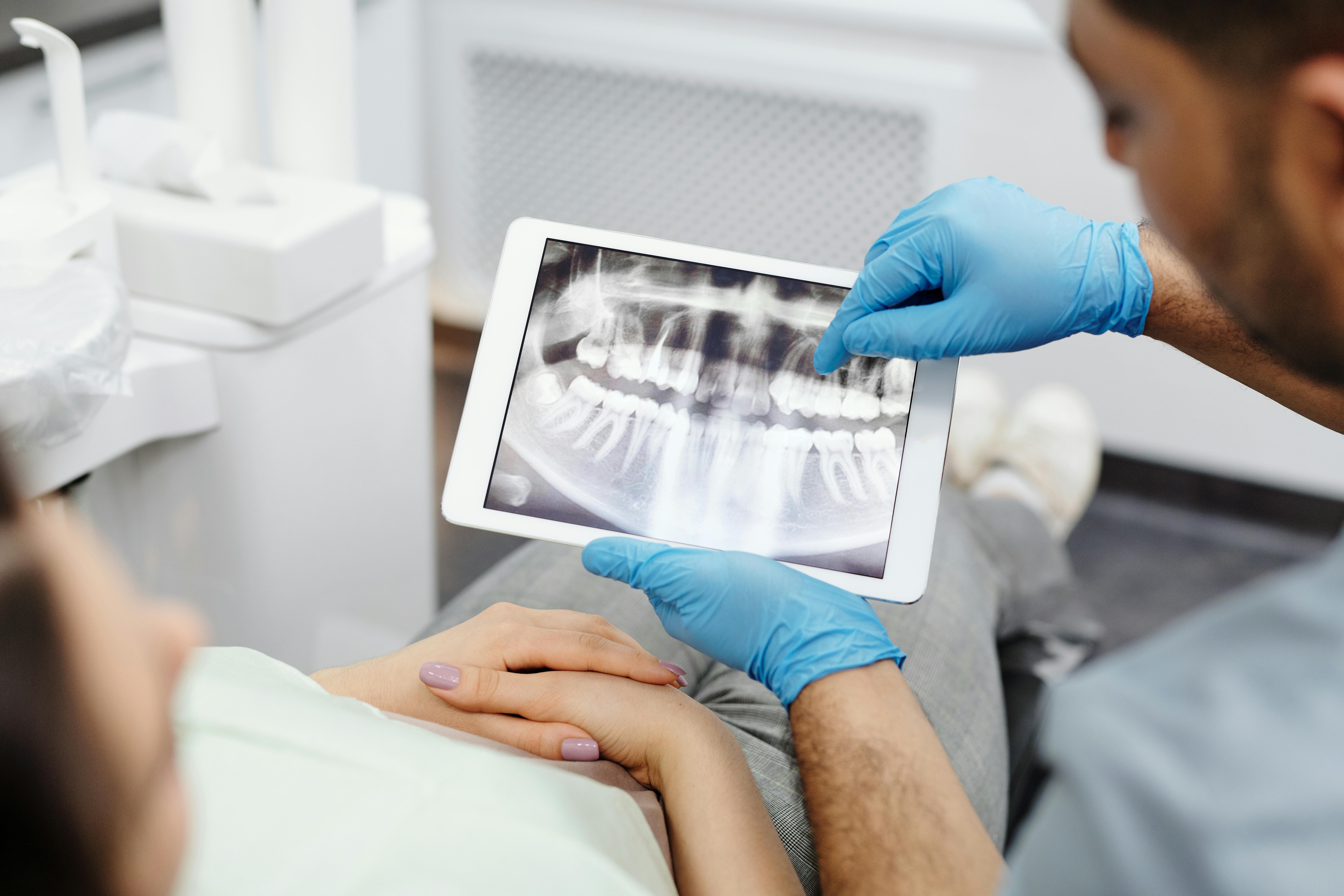
A chipped front tooth can make someone cover their smile for months. A cracked molar can turn a simple lunch into a slow, cautious chew on one side of the mouth. Weak teeth often create a different kind of stress, the low-grade worry that one hard bite or one unnoticed cavity will turn into a much bigger problem. In all three cases, a dental crown is often one of the most reliable ways to protect the tooth and restore function.
Patients looking into Dental Crowns Los Angeles CA usually come in with a mix of cosmetic concerns and practical ones. They want their tooth to look right, but just as important, they want it to hold up during real life: coffee on the go, restaurant meals, late-night clenching, and the wear that comes with busy schedules. In a city where appearance matters but time matters just as much, crowns often sit at the intersection of durability, aesthetics, and efficiency.
A crown is not the answer for every damaged tooth. Sometimes bonding is enough. Sometimes a veneer makes more sense. Sometimes the tooth is too compromised and needs more than a crown can offer. The value of a good treatment plan lies in judgment, not in pushing one procedure for every problem. Still, when a tooth is chipped, cracked, or structurally weak, crowns remain one of the most dependable tools in modern restorative dentistry.
What a crown actually does
A dental crown is a custom-made covering that fits over the visible portion of a tooth. Think of it as both reinforcement and restoration. It protects weakened tooth structure, seals and stabilizes the prepared tooth underneath, and restores the shape, contour, and biting surface.
That sounds straightforward, but the real benefit is mechanical. Teeth crack because force concentrates in vulnerable areas. A crown redistributes that force more evenly. Teeth chip because the remaining enamel is thin or unsupported. A crown can cover and support those areas. Teeth weaken after large fillings, repeated decay, root canal treatment, or years of grinding. A crown provides the external shell that the tooth itself can no longer provide.
The best crowns do not just sit on a tooth. They become part of a carefully engineered bite. When done well, the patient forgets the crown is there. It feels natural, meets the opposing teeth correctly, flosses properly against neighboring teeth, and blends into the smile.
Chipped teeth are not always minor
People tend to treat chips casually, especially if there is little or no pain. That can be a mistake. A small chip on the edge of a front tooth may only need bonding. A larger chip, especially one involving an old filling or extending into a load-bearing area, can create a weak point that continues to break over time.
This is where clinical judgment matters. If a patient has a broad chip on a canine or premolar and also clenches at night, placing composite bonding alone may look good for a while but fail under stress. If the tooth has already been repaired once or twice, a crown may offer a more predictable long-term result. On the other hand, preparing a tooth for a crown removes structure, so it should not be done casually for a tiny defect that could be managed more conservatively.
For front teeth, aesthetics become especially important. Shade, translucency, texture, and edge shape all matter. Los Angeles patients are often highly attuned to these details, and with good reason. A front crown that is too opaque or too flat can stand out even if the color match is close. This is one reason material choice and laboratory quality can matter as much as the crown procedure itself.
Cracked teeth can be deceptively painful
Cracks have a way of presenting inconsistently. A patient may say, “It only hurts sometimes,” or “It stings when I bite something crunchy, then goes away.” That pattern is common. A cracked tooth often hurts on release of pressure rather than during the bite itself. Some patients feel temperature sensitivity. Others notice discomfort when chewing seeds, nuts, crusty bread, or ice.
Not every crack is visible on an X-ray. Not every painful tooth has a dramatic break line you can see in the mirror. Some cracks start small and run under old fillings. Others begin in a cusp of a molar that flexes under years of chewing force. Left untreated, a crack can deepen until the tooth becomes much harder to save.
A crown is frequently recommended for a cracked tooth because it braces the cusps together. In practical terms, that means the crown reduces independent movement of the fragile parts of the tooth when biting. Many patients experience significant relief once the tooth is protected. The important caveat is that if the crack has already reached the pulp or extended too far down the root, additional treatment such as root canal therapy may be necessary, and in some cases the tooth may not be restorable.
This is one of those situations where timing matters. A crack that is addressed early can often be treated with a crown and monitored. A crack that is ignored for six months can turn into a root canal, an extraction, or an implant conversation.
Weak teeth often look fine until they fail
A weak tooth is not always obvious. It may not be discolored. It may not hurt. It may not even have a visible fracture. But if much of the original tooth structure has been replaced by fillings, or if the tooth has undergone root canal treatment, it may no longer have the strength it once did.
Molars are a classic example. Back teeth take the highest chewing load. If a molar has a very large filling that spans multiple cusps, the remaining enamel can be thin and unsupported. Patients are often surprised when a tooth “suddenly breaks,” but clinically it is usually not sudden at all. The structure has been weakening for years.
Crowns are commonly used on weak posterior teeth because they convert a patchwork restoration into a unified, protective surface. This is especially important after root canal treatment in many cases. A root canal does not make a tooth brittle by itself in some mysterious way, but a tooth that needed a root canal often has already lost a lot of structure from decay, old restorations, or trauma. The crown helps compensate for that loss.
When a crown may be recommended
A crown is often considered when the tooth can still be saved but needs more protection than a filling or bonding can provide. Common situations include:
- A tooth with a large chip that affects strength or function
- A cracked tooth that hurts with biting
- A weakened tooth with a large existing filling
- A tooth after root canal treatment, especially in the back of the mouth
- A tooth with substantial wear from grinding or acid erosion
That said, a crown is not automatically the best choice just because a tooth has damage. A shallow cosmetic chip may be better treated with bonding. A tooth with too little remaining structure may need a different approach. Good dentistry is rarely one-size-fits-all.
The crown process, from evaluation to final placement
Most patients want to know two things before they begin: how long it takes and how uncomfortable it is. In routine cases, a crown is typically completed in two visits, though some offices offer same-day crowns for selected situations. The first visit focuses on diagnosis, preparation, shade selection if needed, and a temporary crown. The second visit is for delivery and cementation of the final crown.
The first step is evaluating whether the tooth is truly a crown candidate. This includes examining the remaining structure, testing the bite, taking X-rays, and looking for signs of nerve involvement, deep fractures, gum issues, or decay below the gumline. This part matters more than patients often realize. A beautiful crown on a poorly chosen tooth is still poor treatment.
If the tooth is appropriate for a crown, it is shaped so the final restoration can fit precisely. Enough structure must be reduced to make room for the crown material, but not more than necessary. That balance is part science, part experience. Too little reduction can lead to a bulky crown or weak material thickness. Too much reduction sacrifices healthy tooth.
Impressions or digital scans are then taken to capture the exact shape of the preparation and the surrounding bite. A temporary crown is placed to protect the tooth while the final restoration is being made. Temporaries vary in quality, but a well-made temporary should let the patient function reasonably comfortably and maintain the space and gum shape for the final crown.
At the delivery visit, the final crown is checked carefully. Fit at the margin, contact with neighboring teeth, color match, shape, and bite are all evaluated before cementation. Even a slight high spot in the bite can make a crown feel “off” for days, so small adjustments matter. The best final result is not just one that looks smooth in a hand mirror, but one that disappears into the mouth.
Choosing the right material
Patients often hear terms like porcelain, ceramic, zirconia, and porcelain-fused-to-metal without much context. The best material depends on where the tooth is, how much force it takes, whether the patient grinds, how visible the tooth is when smiling, and how much room exists between the upper and lower teeth.
For front teeth, highly aesthetic ceramics are often favored because they can mimic natural enamel with more lifelike translucency. For back teeth under heavier load, zirconia is commonly considered because of its strength. Porcelain-fused-to-metal is still used in some situations, though many patients prefer metal-free options when appropriate.
There is no universal “best” crown material. A very aesthetic all-ceramic crown on a patient who heavily grinds may not be the most durable choice in some posterior locations. A very strong material may not give the best visual result on a highly visible front tooth if translucency is critical. The right answer is often a compromise based on priorities, anatomy, and risk.
This is one reason consultations for Dental Crowns Los Angeles CA should go beyond price alone. The material, the lab, the preparation design, and the occlusion all affect longevity. Two crowns can have the same basic label and perform very differently in real life.
Cosmetic expectations in Los Angeles are understandably high
Los Angeles patients often come in with a strong visual sense of what they want. They bring photos, compare symmetry, ask about brightness, and notice details that some patients elsewhere may overlook. That is not vanity, it is awareness. If a crown sits in the smile zone, details matter.
Matching a crown to natural teeth involves more than picking a shade tab called “white.” Real teeth have variation. The neck of the tooth near the gum may be slightly warmer. The incisal edge may be more translucent. Surface texture can change the way light reflects. Even lip movement influences how much of the tooth is seen during speech and smiling.
The challenge increases when a single front tooth is being restored. Matching one central incisor is among the most demanding tasks in restorative dentistry because the neighboring tooth serves as an immediate point of comparison. In these cases, photography, custom shading, and a skilled lab can make a visible difference in the result.
Patients should also know that crowns do not whiten like natural teeth respond to bleaching. If someone is considering whitening nearby teeth, it is often worth discussing timing before the crown is made so the final color relationship is intentional.
What crowns can and cannot fix
Crowns are excellent for restoring form and protecting compromised teeth, but they have limits. They do not reverse gum disease. They do not guarantee a cracked tooth will never need future treatment. They do not fix every bite problem by themselves. And if decay develops at the crown margin because of poor hygiene simpledentalca.com Dental Crowns Los Angeles CA or dry mouth, the tooth under the crown can still be damaged.
Crowns also depend on the foundation beneath them. If the remaining tooth structure is minimal, retention may be limited. If a crack extends far below the gumline, a crown may not be enough. If a patient clenches severely and does not wear a night guard, even a well-made crown can chip, loosen, or contribute to problems in surrounding teeth.
That is why honest conversations matter. A crown can be the right treatment and still come with risks. Good dentists explain those risks without overselling certainty.
Cost, value, and what people are really paying for
In a place as large and varied as Los Angeles, crown fees can differ noticeably between offices. Patients often wonder why. Some of that difference comes from overhead and location, but much of it comes from the quality of materials, technology, lab work, time spent on planning, and the experience of the clinician and team.
A crown is not just a piece of ceramic. The fee reflects diagnosis, preparation, impressions or digital scanning, temporary fabrication, lab fabrication, seating, bite adjustment, and follow-up. If a crown is done carefully, it can last many years. If it is rushed, poorly fitted, or placed on the wrong tooth without proper planning, the short-term savings can disappear quickly.
Value is not the cheapest crown. Value is the crown that protects the tooth, feels right, looks natural, and avoids avoidable complications. That is especially true when the alternative to failure is a root canal, retreatment, or extraction.
Recovery and what the first few days feel like
Most patients do not describe crown treatment as especially painful, but some tenderness is normal. The tooth and surrounding gum can feel sore for a day or two after preparation. Temporary crowns can feel slightly different from natural teeth, and cold sensitivity is not unusual while waiting for the final crown.
Once the permanent crown is cemented, mild bite awareness is common. A crown should not feel high or sharp, but the mouth can notice even subtle changes. If something feels clearly off after a few days, it is worth having the bite checked. Tiny adjustments can make a big difference.
Patients with cracked teeth often notice something else after crown placement: relief. When the tooth is finally stabilized, that fleeting bite pain they had been working around sometimes disappears almost immediately. It can be one of the more satisfying turnarounds in restorative care.
How to help a crown last
Crowns are durable, but durability is not the same as invincibility. Their lifespan depends heavily on maintenance, habits, and the condition of the tooth underneath.
- Brush and floss consistently, especially at the gumline where decay can start
- Avoid chewing ice, hard candy, and other high-impact foods with restored teeth
- Use a night guard if you grind or clench during sleep
- Keep regular exams so early margin problems or bite issues are caught quickly
- Address dry mouth, acid reflux, or high cavity risk if those factors apply
One pattern that comes up often in practice is the patient who assumes a crowned tooth no longer needs much attention because it is “covered.” In reality, the crown protects the visible structure, but the margin where crown meets tooth still needs careful cleaning. Neglect there is a common reason otherwise good crowns fail.
Questions worth asking at a consultation
A good crown consultation should leave a patient with more clarity, not more confusion. It is reasonable to ask what material is being recommended and why. It is reasonable to ask whether the tooth might need root canal treatment now or later. It is also reasonable to ask how visible the crown will be, what kind of lab is used, and whether a night guard is recommended afterward.
Patients should also ask what happens if the tooth is found to be more cracked than expected after the old filling is removed. That is not a trick question, it is real-life dentistry. Sometimes the full extent of damage only becomes apparent once the tooth is cleaned up. Hearing how the office handles that possibility can tell you a lot about how thoughtfully they plan.
The bigger picture for chipped, cracked, and weak teeth
Dental crowns are often thought of as a routine restoration, but the decision to place one is not routine at all. It requires balancing conservation of tooth structure against long-term protection. It requires looking beyond the current symptom to the forces that caused the damage in the first place. It requires understanding whether the patient’s priority is aesthetics, strength, speed, longevity, or some combination of all four.
For chipped teeth, crowns can restore shape and confidence when simpler options are unlikely to hold up. For cracked teeth, they can be the difference between a manageable repair and a much more serious problem later. For weak teeth, they can provide the reinforcement needed to preserve function for years.
People searching for Dental Crowns Los Angeles CA are usually not looking for a generic fix. They want a restoration that suits their tooth, their smile, and their daily life. That is exactly how crown treatment should be approached. Not as a commodity, but as tailored restorative care for a tooth that still has a future worth protecting.
Simple Dental Vermont
Address: 8914 S Vermont Ave, Los Angeles, CA 90044
Phone number: +13239493000
FAQ About Dental Crowns Los Angeles CA
How much do crowns cost per tooth?
In the United States, a single dental crown typically costs between $800 and $2,500 per tooth without insurance. The ultimate out-of-pocket price depends heavily on the crown material, the location of the tooth, and whether you have dental insurance coverage.
What is the downside of crowns on teeth?
The primary downside of a dental crown is that the procedure permanently removes natural tooth enamel to shape the tooth for the cap.
Why do dentists push for crowns?
Dentists recommend crowns because a large filling cannot provide enough strength when a tooth loses a major portion of its structure or faces heavy chewing pressure.