Do Dental Crowns Look Natural? What Patients Should Know
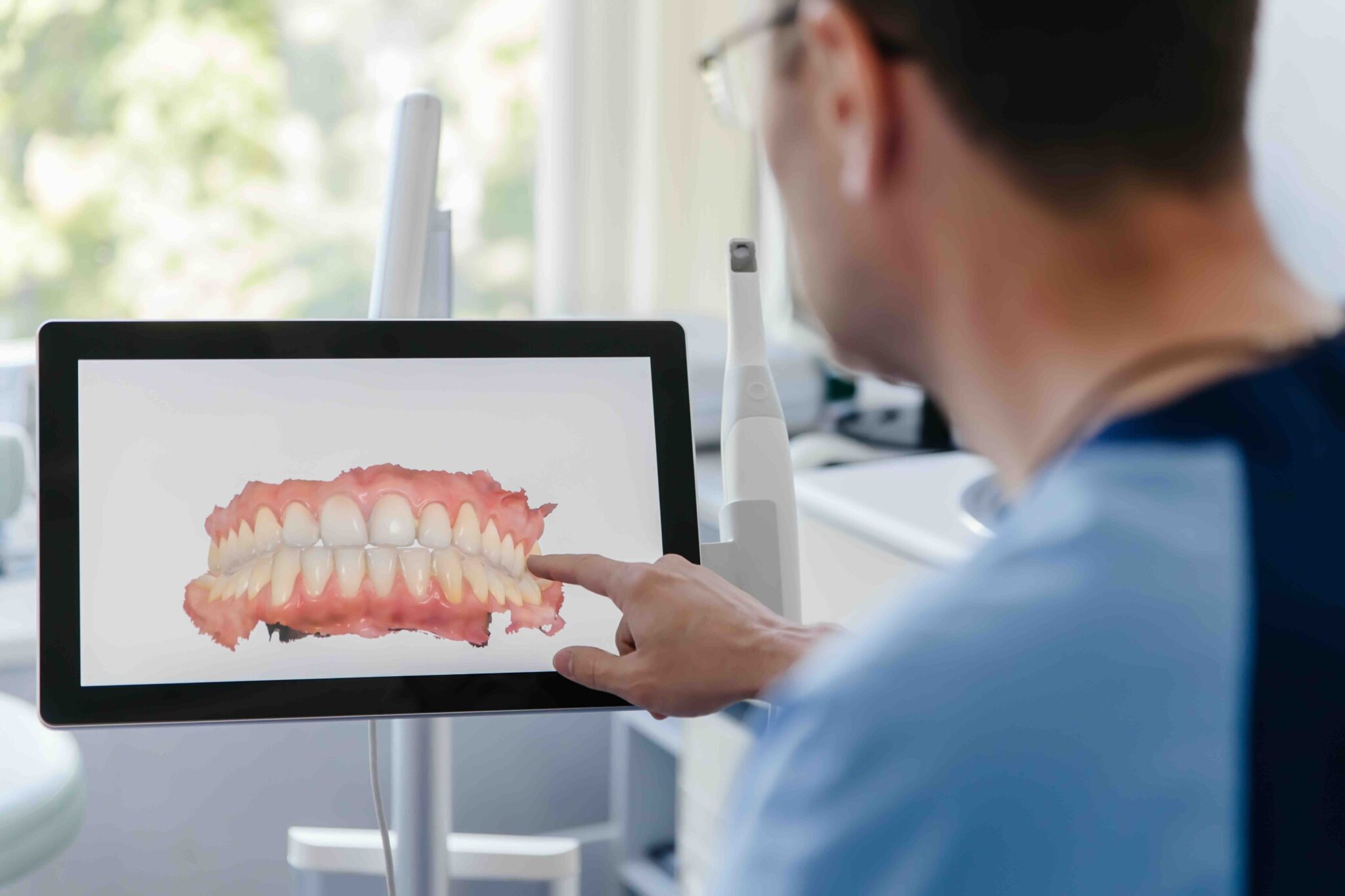
For most patients, the real question is not whether a crown can restore a damaged tooth. It is whether anyone will notice it. People worry about smiling in daylight, talking at close range, laughing in photos, or catching an odd reflection in the mirror and seeing a tooth that looks a little too perfect, too flat, too opaque, or simply different from the teeth beside it.
The short answer is yes, dental crowns can look very natural. In many cases, they blend in so well that even friends or family members do not realize any dental work has been done. But that result depends on several moving parts, not just the crown itself. Material choice matters. So does the skill of the dentist, the shape of the prepared tooth, the quality of the lab work, the surrounding gum tissue, and something patients often overlook, which is how much attention is paid to matching the little imperfections Dental Crowns that make real teeth look real.
A natural-looking crown is rarely about making one tooth look flawless. It is about making one tooth belong.
What makes a crown look natural
When people imagine an artificial-looking crown, they usually picture a very white front tooth with no depth or texture, almost like a piece of porcelain in a sink. Natural teeth do not look like that. They have variation. Light passes through them differently at the edges than it does near the gumline. Tiny ridges and shallow depressions catch shadows. Color shifts from one part of the tooth to another. The neighboring teeth are almost never mirror images of each other.
A crown looks natural when it respects those details.
Color is the most obvious part, but it is only one part. Two teeth can technically be the same shade and still look mismatched if one is too opaque or too smooth. Dentists and lab technicians often pay close attention to translucency, surface texture, brightness, and shape. That is why the best crown work does not just ask, “What shade is this tooth?” It asks, “How does this tooth behave in light? What does it look like from six inches away? What about from three feet away?”
That distinction matters, especially for front teeth.
Front teeth crowns are held to a different standard
A crown on a back molar and a crown on a front central incisor do not live under the same scrutiny. A molar needs to handle force and function first. Appearance still matters, but it usually matters less because the tooth is less visible. A front tooth crown, by contrast, sits in the center of the smile. It is seen when you speak, smile, and eat. Even small differences show.
This is where expectations need to be realistic and specific. “Natural” does not always mean “invisible under any possible condition.” Under harsh bathroom lighting or in a close-up phone photo, even excellent dentistry may be easier to spot than in everyday conversation. The goal is not perfection under magnification. The goal is a crown that harmonizes with your face, smile, and neighboring teeth under normal social conditions.
That may sound like a subtle distinction, but it is an important one. Some of the most successful cosmetic cases are not the brightest or most polished. They are the ones that quietly fit.
The material makes a visible difference
Patients often hear terms like porcelain, ceramic, zirconia, or porcelain-fused-to-metal and understandably tune out. Those terms can sound technical and remote. In practice, the material chosen for a crown has a direct effect on how natural it can look.
All-ceramic and porcelain-based crowns are often preferred in visible areas because they can mimic enamel more convincingly. They allow a balance of opacity and translucency that can resemble a real tooth, especially when a skilled lab customizes the shading. Zirconia crowns can also look excellent, and modern versions are much more aesthetic than older generations. They are especially useful when strength is a major concern. That said, the exact type of zirconia matters because some are more translucent than others.
Porcelain-fused-to-metal crowns can still serve a purpose, but in the front of the mouth they can be harder to make truly lifelike. Sometimes they appear slightly more opaque, and over time a dark line can become visible near the gum if the gums recede. Many patients have seen this on older dental work without realizing what they were looking at.
The best material is not always the strongest material in the abstract. It is the material that suits the tooth’s position, bite forces, appearance demands, and the color of what lies underneath. A tooth that has had a root canal, for example, may be darker internally, and that can influence how the final crown should be designed.
Why some crowns look fake
When a crown looks obviously artificial, the problem is usually not just one issue. It is more often a stack of small misses.
Sometimes the crown is too white because the patient picked the brightest shade on the chart, imagining a cleaner and fresher result. Sometimes the crown shape is too generic, with edges that look overly symmetrical or bulky. Sometimes the surface is too smooth, so it reflects light like glass instead of enamel. In other cases, the gums frame the crown unevenly, making a good restoration look off-center or too long.
There are also practical compromises that affect appearance. If the underlying tooth is badly broken or heavily discolored, the crown may need more opacity to hide it. That can reduce the lifelike depth seen in very natural restorations. If a patient grinds heavily, the dentist may lean toward a stronger material that has slightly different visual properties. If neighboring teeth already have wear, cracks, or staining, a crown that looks “perfect” may actually stand out more than one that mimics those details.
In other words, natural-looking dentistry is a balancing act, not a paint-by-numbers exercise.
Shade matching is more nuanced than most patients expect
A common misunderstanding is that shade matching means finding the closest tooth color and stopping there. In reality, skilled shade matching often goes beyond a single shade tab. Natural teeth commonly have more saturation near the gumline, more translucency at the edge, and subtle internal character. One part of the tooth may read warmer, another cooler. Age also changes the look of teeth. Younger teeth often appear brighter and more translucent. Older teeth tend to show wear and slightly deeper tone.
This is why single front tooth crowns can be challenging. Matching one visible tooth against natural teeth is often harder than making several teeth match each other. If someone crowns both front central incisors at the same time, symmetry is easier to achieve because both restorations are built together. Matching one crown to one untouched neighboring tooth requires more artistry.
Dentists sometimes take photos in different lighting, use custom shade maps, or involve the lab technician directly for highly visible cases. That extra effort is not overkill. It is often the difference between a crown that merely fits and a crown that disappears into the smile.
The lab matters more than patients realize
Patients tend to focus on the dentist because that is the person they meet, but crown work is often a team effort. The Dental Crowns dental lab, or in some settings an in-house milling and finishing process, plays a major role in the final result. A beautiful front crown is part technical restoration and part handcrafted aesthetic work.
An experienced lab technician can layer color, adjust translucency, add surface anatomy, and shape the crown so it reflects light like a real tooth. A less careful process can produce a crown that is acceptable in function but flat in appearance. Both crowns may fit the tooth. Only one may look truly convincing.
This is one reason fees can vary. A crown is not always a commodity. On paper, two crowns might both be described as ceramic crowns. In reality, one may involve more customization, more communication between dentist and lab, and more time spent refining details that affect the final look.
Patients do not need to become materials experts, but they do benefit from asking whether a visible crown will be custom characterized, whether photos will be used, and whether the dentist works with a lab known for aesthetic cases.
Temporary crowns can be misleading
Many people panic when they see the temporary crown and think, “If this is the final result, I made a mistake.” That reaction is common, especially with front teeth.
Temporary crowns often do not represent the appearance of the final crown very well. They may be made from acrylic-like materials, shaped quickly, and placed mainly to protect the tooth and hold space. They can look bulkier, duller, or less refined than the permanent restoration. Their job is transitional, not cosmetic excellence.
That said, the temporary phase is still useful. It can reveal whether the tooth feels too long, whether the shape interferes with speech, whether the gum responds well, and whether certain contours should be adjusted before the final crown is made. Patients who give specific feedback during this stage often help improve the final result. “It feels thick near the lip” or “the edge looks too square compared with the other side” is more helpful than simply saying “I do not like it.”
Gum health can make or break the appearance
Even a beautifully made crown can look unnatural if the gum tissue around it is inflamed, uneven, or receding. The gums are the frame around the tooth. People notice the whole picture, not just the ceramic.
A crown that sits properly at the gumline should look like it emerges naturally from the tissue. If the crown margin is poorly managed, if plaque builds up, or if the patient struggles to clean around it, the gums may become puffy or red. That inflammation draws attention. Over time, gum recession can expose the edge of the crown or reveal darker root structure on neighboring teeth, which changes the overall balance of the smile.
This is especially relevant for older crowns. A crown that looked natural ten years ago may look less natural now, not because the crown changed dramatically, but because the surrounding tissue and adjacent teeth changed. Dentistry lives in a dynamic environment.
Can other people tell you have a crown?
Usually, not if the work is done well and the case is planned carefully.
Most people do not inspect teeth at close range. They notice the overall smile, facial expression, and confidence more than they notice one restored tooth. Where crowns stand out is when there is a mismatch in brightness, shape, or gum contour, or when a front crown is trying too hard to look perfect next to natural teeth that are not perfect.
There is a story I hear often in dental settings. A patient spends weeks worrying that everyone at work will spot the new crown immediately. The crown is placed, the patient returns to work, and nobody mentions it. A week later someone says, “You look well rested,” or “You seem more confident lately,” without ever identifying the dental change. That is often what successful cosmetic dentistry looks like. People register improvement without seeing the mechanics behind it.
When a crown may not match perfectly
There are situations where even very good treatment has limits. If adjacent teeth are heavily stained, worn, chipped, or translucent in unusual ways, creating a perfect match can be difficult. If one front tooth has had trauma and the neighboring tooth has not, subtle asymmetries may already exist before treatment. If the bite is unstable or the patient clenches, the dentist may have to prioritize strength and longevity in ways that influence appearance.
Whitening also complicates planning. If a patient intends to whiten their teeth, it is usually better to do that before selecting the final crown shade. Crowns do not bleach like natural teeth. If you whiten after getting the crown, the natural teeth may brighten while the crown stays the same, making a once-good match look off.
Sometimes a dentist will suggest broader treatment when a patient expected a single crown. That is not always upselling. In some cases, matching one tooth exactly is so difficult that a more comprehensive cosmetic plan gives a better overall result. Whether that is worth it depends on the patient’s goals, budget, and tolerance for minor mismatch.
Questions worth asking before you commit
If appearance matters to you, it helps to say so plainly. Dentists are used to hearing “I just want it fixed,” but there is a big difference between fixing a back tooth and crafting a front tooth that blends into a smile line.
A few questions can sharpen the conversation:
- What crown material do you recommend for this tooth, and why?
- Will the crown be custom shaded to match the neighboring teeth?
- If this is a front tooth, do you use photos or work directly with the lab on aesthetics?
- Should I whiten my teeth before the crown is made?
- If the first version does not look right, what adjustments are possible?
That kind of discussion often reveals how much attention the practice gives to appearance, not just function.
What patients can do to improve the odds of a natural result
Patients are not passive in this process. The best outcomes often come from clear communication and good timing.
Bring up your concerns early, especially if the tooth is visible when you smile. Mention if you have a wedding, job interview, or major event coming up. Tell the dentist if you dislike very white dental work or if you want a result that looks age-appropriate rather than cosmetically enhanced. If one neighboring tooth has a feature you want copied, such as a rounded edge or slight translucency, point it out.
Photos can help more than words. A picture of your smile from a few years ago, before a tooth broke or darkened, can sometimes guide shape and proportion better than memory alone. Patients are often surprised by how useful ordinary phone photos can be in aesthetic planning.
Caring for the crown afterward matters too. A crown cannot stay attractive if the gums around it become unhealthy. Brushing, flossing, regular cleanings, and addressing clenching or grinding all help preserve the look of the restoration over time.
A few practical signs of high-quality crown planning
Patients rarely know what to look for in the chair, so they judge mainly by trust and first impressions. That makes sense, but there are some practical clues that usually point in the right direction.
- The dentist studies your smile from multiple angles, not just the tooth in isolation.
- Shade selection is done carefully, often before the tooth dries out too much, because dry teeth can appear lighter.
- The temporary crown is used as a trial for shape, bite, and speech when needed.
- The dentist invites feedback rather than rushing to cement the crown immediately.
- Gum health, bite forces, and neighboring teeth are part of the conversation.
None of these guarantees perfection, but together they suggest a thoughtful process rather than a rushed one.
If the crown does not look right at first
Not every crown is perfect on day one, and that does not always mean the treatment failed. Sometimes the issue is minor and easily adjusted. A small contour refinement, a polish, a bite adjustment, or a remake with revised shade information can make a big difference. Gums may also need a little time to settle after placement, which can subtly improve the way the crown sits in the smile.
What matters is whether the concern is taken seriously. If the crown looks too bright, too long, too square, or too opaque, say so clearly and specifically. Vague dissatisfaction is harder to solve. Precise feedback gives the dentist and lab something actionable.
There is also a difference between initial unfamiliarity and true mismatch. Any change to a front tooth can feel strange for a few days because your brain is used to the old version, even if the new crown objectively looks better. But if your eye keeps going straight to the crown in every mirror, that usually deserves a closer look.
So, do dental crowns look natural?
They can, and very often they do. The best ones are not just strong and well-fitting. They respect the way natural teeth vary in color, light transmission, shape, and surface character. They work with the gums, the bite, and the neighboring teeth rather than trying to outshine them.
A natural crown is the result of good decisions made at several stages, from diagnosis and material selection to tooth preparation, shade matching, lab work, and final adjustments. For patients, that means the outcome is not pure luck. It is something you can influence by choosing a dentist who values aesthetics, asking the right questions, and being honest about what matters to you.
Most people do not want their crown to look impressive. They want it to look unremarkable in the best possible sense, like it has always been there. When the planning is careful and the craftsmanship is good, that is a very realistic goal.
Simple Dental Vermont
Address: 8914 S Vermont Ave, Los Angeles, CA 90044
Phone number: +13239493000
FAQ About Dental Crowns
How much do crowns cost per tooth?
In the United States, a single dental crown typically costs between $800 and $2,500 per tooth without insurance. The ultimate out-of-pocket price depends heavily on the crown material, the location of the tooth, and whether you have dental insurance coverage.
What is the downside of crowns on teeth?
The primary downside of a dental crown is that the procedure permanently removes natural tooth enamel to shape the tooth for the cap.
Why do dentists push for crowns?
Dentists recommend crowns because a large filling cannot provide enough strength when a tooth loses a major portion of its structure or faces heavy chewing pressure.